A Journey of Miles, A Purpose Beyond the Finish Line
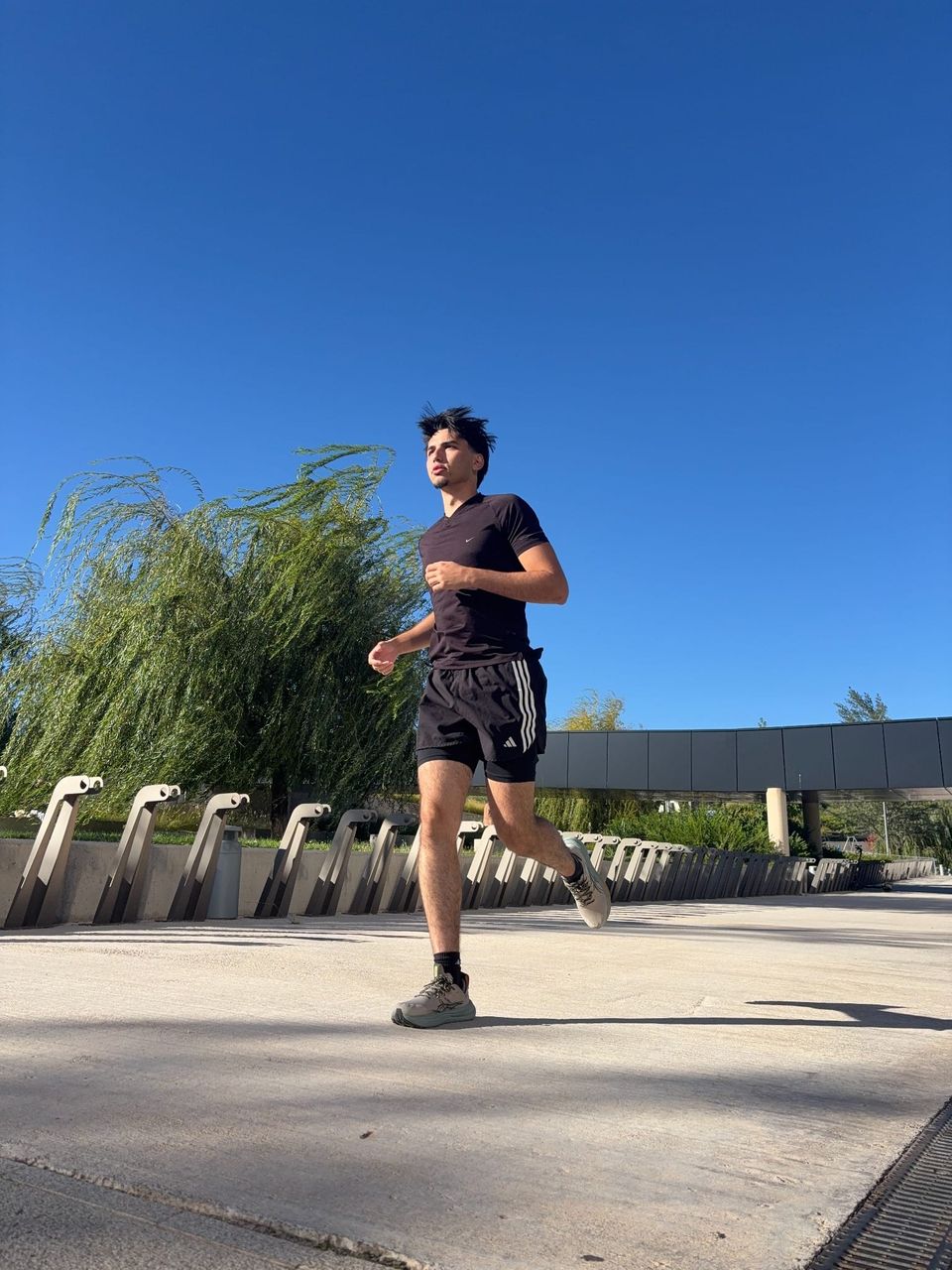
There are many ways to arrive in Segovia. Most of us come with a suitcase, a university place, a new job or the modest intention of staying for a weekend. Maxence Raymond Coum has chosen to come on foot. On 14 November, he will leave IE Tower in Madrid and head towards Santa Cruz la Real, carrying a purpose that reaches well beyond the distance between them.
The journey will cover approximately 92.5–93 kilometres. It is a considerable stretch of ground to place between yourself and a destination, especially when that destination belongs to the same university as your starting point. On a map, the two campuses are easy enough to connect. Maxence intends to make that connection with his own effort, in support of children with limb disabilities through A Leg To Stand On, the organisation known as ALTSO.
For those of us who live here, Segovia is where the day begins: the streets we cross, the places we return to, the city that gradually becomes familiar enough to call home. For Maxence, that Saturday, it will be somewhere ahead. The same city will hold a different meaning, measured in the distance still to travel and in the hope of finding people at the end.
That is perhaps where his story comes closest to ours. We do not have to share his appetite for an endurance challenge to understand the pull of a place, or the difference a welcome can make. Segovia is more than the finish he has chosen. It is where a personal ambition could become a shared moment.
A life between places
At 21, Maxence already has a biography that crosses more borders than many people encounter in a lifetime. Of French and Turkish heritage, he has lived in Turkey, China, Malaysia, Italy, Thailand and Spain. The list traces an international upbringing; Madrid is the place where this part of his life is unfolding, as a third-year Bachelor in Business Administration student at IE University.
In a community such as IE's, there will be readers who recognise something of themselves in that introduction. Where you come from is not always a question with a short answer. There is the country on a passport, the place where you grew up, the city where you study and the people who make each of them matter. Belonging can accumulate across places without settling entirely in one.
Maxence's six countries do not, on their own, explain the decision to travel almost 93 kilometres on foot. They do help introduce the person making it: a young man whose life has taken shape across different settings and whose present commitments continue to connect people at a distance. Alongside his degree, he is a co-founder of Skip the Charts, a fintech startup. His fellow co-founder lives in Canada.
The venture analyses online information for developments that may affect financial markets. It is a very different undertaking from the journey to Segovia, but both belong to the same busy chapter of his life. There is university work to pursue, a young business to build and a physical challenge to prepare for. None is yet a finished story. Each asks for attention before there is an outcome to point to.
For this particular challenge, the choice of destination began with a connection already close to him. As an IE student, linking the Madrid and Segovia campuses made sense. It is a simple explanation, and perhaps a more compelling one than an elaborate origin story. Sometimes an ambitious idea begins with something familiar: two places that are already part of your world, and a decision to discover what it would take to move between them differently.
IE Tower and Santa Cruz la Real offer very different images of that shared world. One rises into Madrid's contemporary skyline; the other belongs to the historic fabric of Segovia. Students may recognise them as two expressions of the same university. Maxence has made them the beginning and end of a journey whose meaning will come from everything required to join them.

For an international university community, the connection has a particular resonance. A campus can be the first place where a new country begins to feel less unfamiliar. It gives a city a point of entry: people to meet, a reason to be there, a daily life to begin constructing. By choosing these two campuses, Maxence has given his challenge endpoints that other students can immediately recognise, even if they would never contemplate covering the distance themselves.
For Segovians beyond the university, the invitation is just as accessible. Someone is making an extraordinary effort to reach a place we know. We can take an interest in him before he arrives. A journey that starts elsewhere can become part of the life of this city while it is still on its way.
What makes the distance matter
When Maxence talks about ambition, he leaves room for a goal to be genuinely demanding. He is drawn to the kind of undertaking that asks more than the comfortable repetition of something already within reach.
“If you set a goal you know you'll reach, there's not much point setting it.”
The thought gives the distance its personal significance. Almost 93 kilometres is not simply an impressive figure to attach to a fundraising page. It is the scale of the commitment he has chosen. Naming Segovia as the destination is the easy part; giving himself fully to the effort of getting there is what makes the idea a challenge.
There is something familiar in that distinction, even for people whose ambitions have nothing to do with running. Beginning a degree in another country, building a business or making a home somewhere new all involve a gap between an intention and the work that follows. The comparison is not exact, but the question underneath it travels well: what are we prepared to give to something we say matters to us?
Maxence's answer has taken a physical form. Yet the journey is also an appeal on behalf of people whose relationship with movement is very different from his own. His campaign supports ALTSO, an organisation that provides prosthetic limbs and mobility devices for children with limb disabilities in developing countries. His goal is to raise US$10,000 for ALTSO, with supporters able to contribute through its official fundraising platform.
On his campaign page, he connects his interest in sport with the importance of mobility. That connection is the centre of the story. He is choosing to make movement difficult for himself over a long distance in order to draw attention to children who need support to move. His own freedom to undertake the challenge becomes a way of asking others to consider the possibilities that mobility can open.
The cause changes the significance of the finish. Reaching Segovia would be a personal achievement, but the fundraising gives people a reason to care that does not depend on knowing Maxence, attending IE or following endurance sport. It offers a place in the story to someone reading from a café in Segovia, a student in Madrid or a friend in one of the countries he has called home.
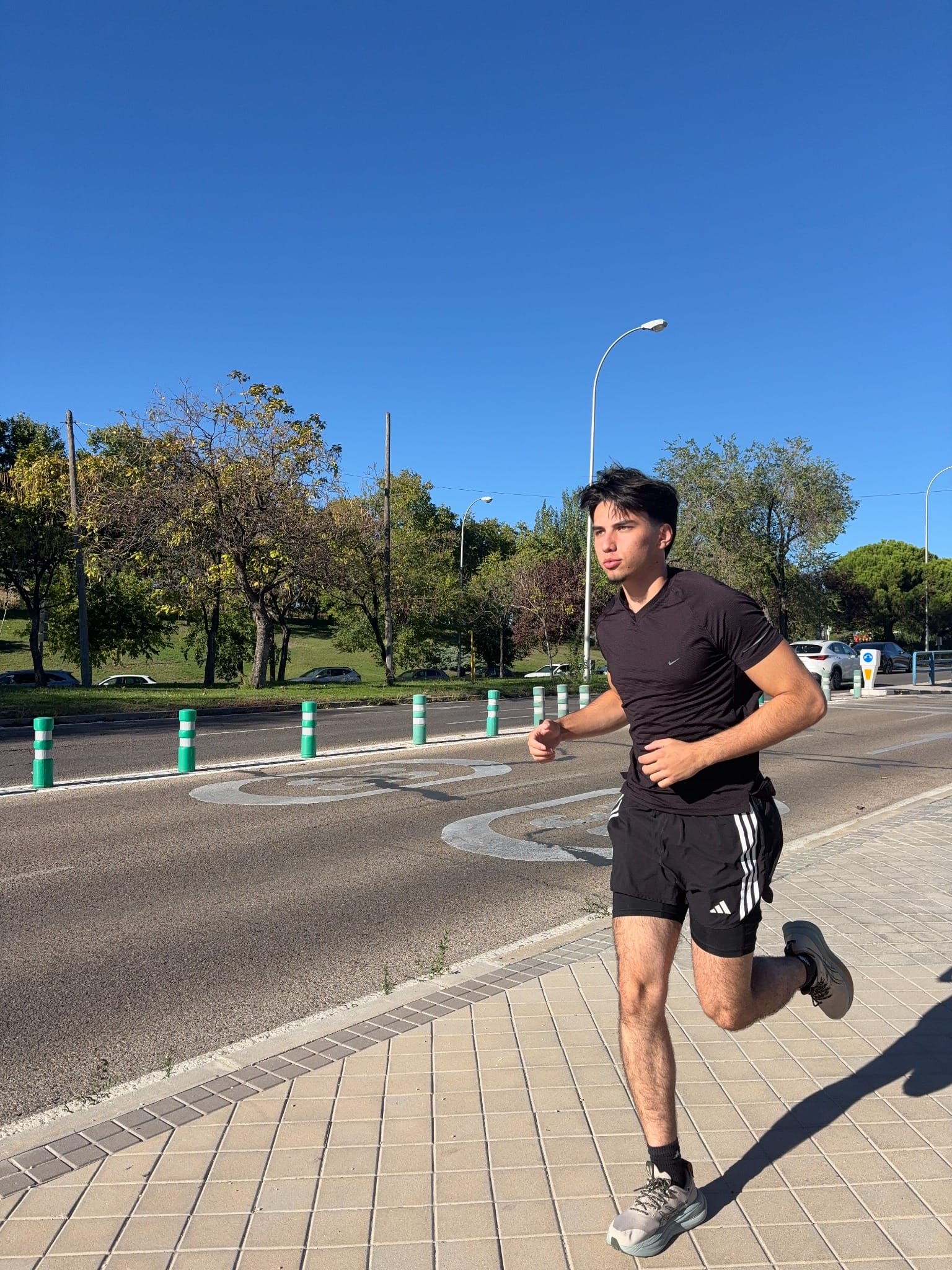
There are different ways to take that place. A donation through the official ALTSO campaign supports the charitable purpose. Sharing the appeal introduces it to people who may not otherwise encounter it. Following the journey gives attention to an effort that is still taking shape. None requires the reader to match the physical undertaking; each allows the campaign to reach beyond the person making it.
For a story that begins with one student's decision, that widening circle matters. Maxence supplies the challenge, but he is asking others to help give it consequence. The road between Madrid and Segovia provides a clear shape for the idea. The people who respond can carry its purpose much further.
A place at the end
Ask what he hopes to find in Segovia and the story becomes less about kilometres and more about people. His wish for the finish is simple:
“Having Segovia's residents and students welcome me at the finish line would be amazing.”
It is an invitation that brings the university and the city into the same sentence. Residents and students: two communities that overlap in daily life, sometimes closely, sometimes only in passing. A shared interest in someone's arrival offers one small reason to come together. Maxence is not asking for a particular kind of audience. He is hoping that people here will care enough to welcome him.
For those who have moved to Segovia from abroad, there is something immediately recognisable in that hope. Arriving is one thing; feeling received is another. A place becomes more than its buildings when there are people who acknowledge your presence in it. Maxence's journey has a very different scale and purpose from an ordinary move to a new city, but the human wish at its end is easy to understand.
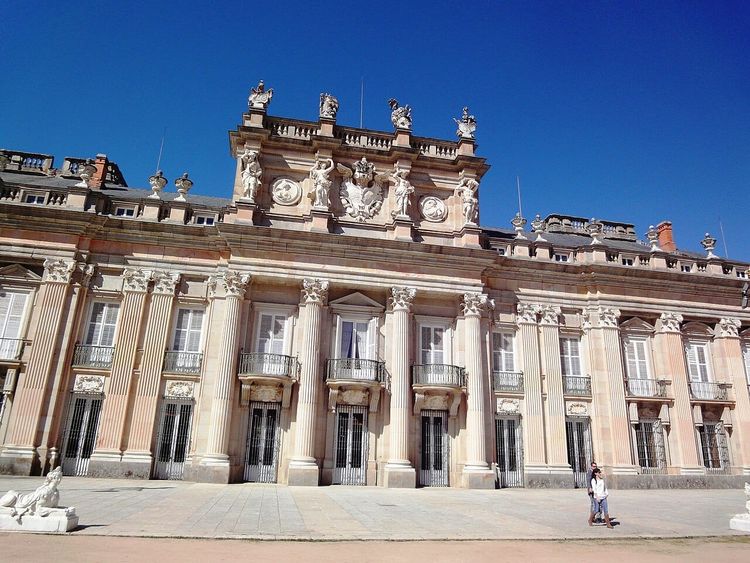
Santa Cruz la Real gives that wish a setting. To students, it belongs to the university they share with him. To other readers, it is part of Segovia's landscape and history. On 14 November, Maxence hopes it will also become the place where the long effort from Madrid meets the community he has been moving towards. An early start is expected, around 5–6 a.m.; with almost 93 kilometres ahead of him, he could reach Segovia towards the end of the afternoon. The Segovian will do its best to follow his progress through his social media updates and keep readers posted as he approaches the city.

There is a pleasure in discovering that a familiar place can mean something new to somebody else. A building we pass without much thought may be the destination another person has held in mind throughout a demanding day. Following Maxence's story offers that slight change of perspective: a chance to see Segovia from the direction of someone making an unusual effort to reach it.
His message extends beyond the journey itself. Find a purpose, commit to it and test the limits of what you believe you can do. It is an invitation to take a personal ambition seriously, whatever form that ambition takes. For Maxence, at this moment in his life, it means bringing his love of sport into a fundraising effort and connecting two cities that belong to his university world.
The story also leaves something for us to decide. We can follow from a distance, share the cause, contribute to it or take an interest in the welcome he hopes to find. Segovia does not have to remain a name at the end of his route. The people who live and study here can help make it the part of the journey he remembers.
For now, the city is ahead of him. Almost 93 kilometres separate the departure from the arrival; the reason for travelling them is already there. Before he sets out, Maxence leaves a question that asks nothing about how far we can run and quite a lot about how we choose to live:
“When was the last time you gave something 100%?”
Be part of Maxence's journey. Support his ALTSO fundraising campaign and follow @heyitsmaxence on Instagram. Madrid to Segovia · 14 November 2026 · Approximately 92.5–93 kilometres.


Member discussion